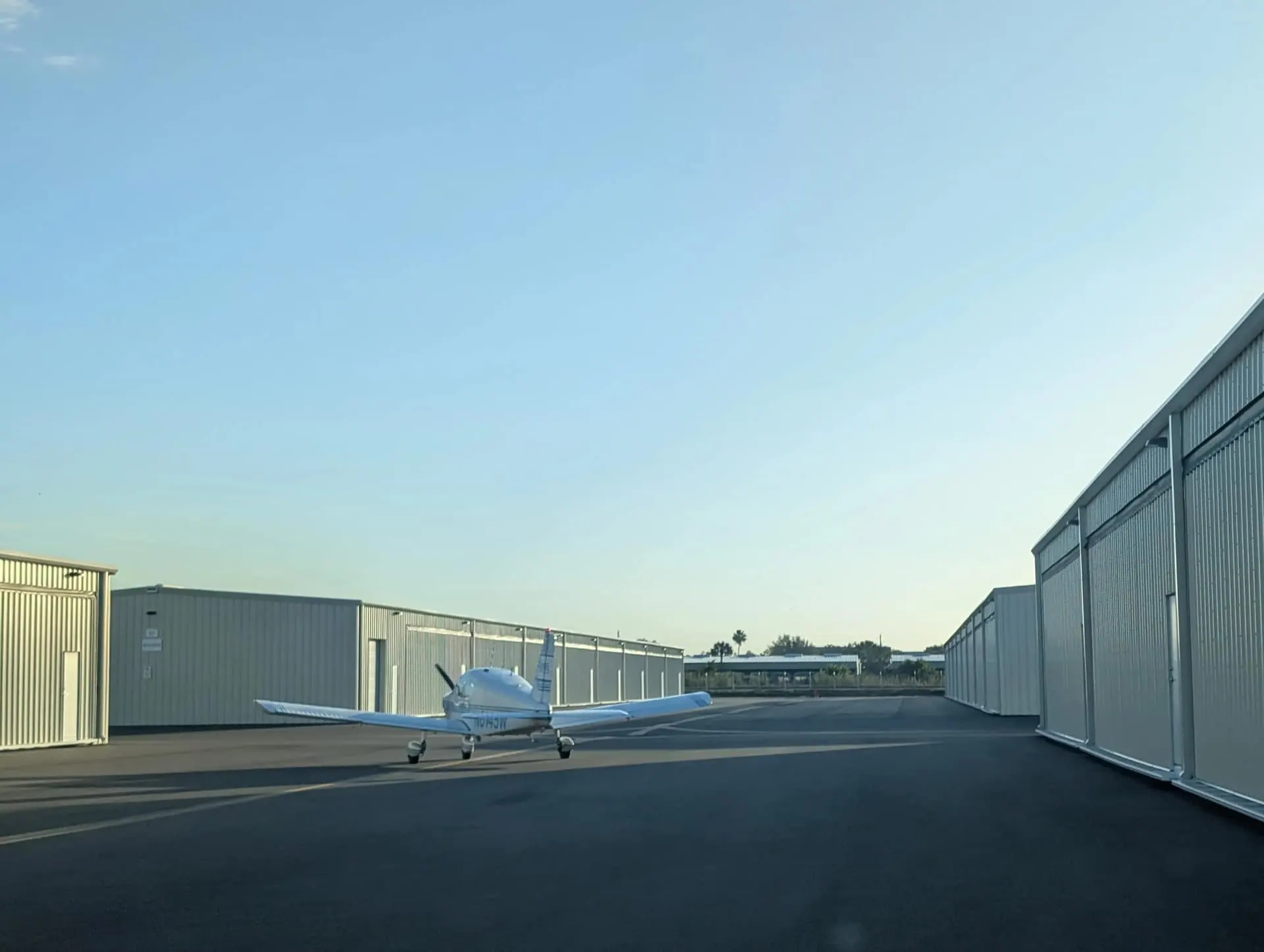
What to do when the airplane gets ahead of you
Task saturation is the moment there is more happening than you have attention for. It happens to every student, usually around the tenth hour, and there is a specific set of moves that gets you back in front of the airplane.
By Cristian Duran
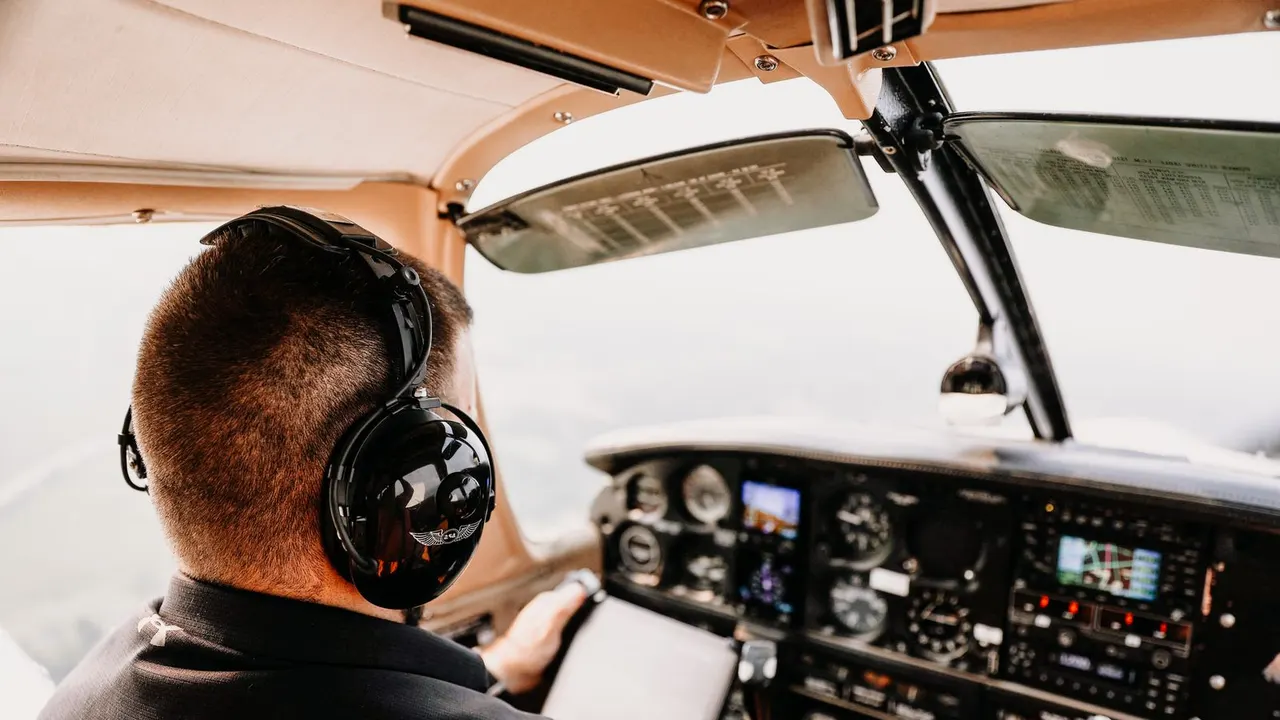
There is a moment in almost every student’s training — usually somewhere around the tenth hour, usually in the pattern — where three things happen at once and you go quiet.
The tower says something. The airplane is high. You have not put the flaps down. And instead of doing any of it you sit there, hands frozen on the yoke, feeling your face get hot.
That is task saturation, and I want to say the most important thing about it first: it is not a sign that you are unsuited to this. It is a sign that your capacity is currently smaller than the task, and capacity is exactly the thing that training grows.
What it actually feels like
Worth naming, because people think theirs is unique:
- Sound goes away. The radio is playing but you are not decoding it.
- Your scan collapses to one instrument, usually the airspeed indicator.
- You stop flying with your feet.
- Time compresses. You cannot say afterwards how long anything took.
- You get behind on the radio, and the more behind you get the less you want to key the mic, which puts you further behind.
Every one of those is your brain shedding load. It is doing something sensible, just not in the order you would have chosen.
The moves, in order
1. Fly the airplane. Wings level, pitch for a known attitude, power set. Whatever else is happening, the airplane must be under control first. Everything else can wait ten seconds. Nothing can wait if the airplane is not flying.
2. Buy yourself room. Room is time. In the pattern that might be extending the downwind. En route it might be a 360 or a climb. On the ground it is stopping the airplane. There is almost always a way to make the problem happen more slowly, and taking it is not failure — it is airmanship.
3. Say the words. “Cherokee four five whiskey, unable — request extended downwind.” Or the bigger one: “Standby.” Controllers deal with this daily. The word that stops the pressure is “unable,” and using it is a mark of a competent pilot, not a weak one.
4. Do one thing. Not the list. The next thing. Flaps. Then look up. Then the next thing. A saturated brain cannot run a five-item list, but it can absolutely run a one-item list five times.
5. Say it out loud. Verbalising your actions costs almost nothing and it re-serialises the mess in your head into a queue. I do it. Every instructor I know does it.
What we do about it in training
The reason we fly three-hour blocks with a real brief before and a real debrief afterwards is exactly this. Saturation is what happens when your procedures are not yet automatic, so we make them automatic on the ground where they are free.
Chair-flying works. Sitting in a quiet room walking through the pattern — “abeam the numbers, carb heat, power back, first notch” — with your hands moving, is not a silly exercise. It is how you move a task from the part of your brain that gets overwhelmed to the part that does not.
And this is the real argument for simulator time: the cheapest hour in aviation is the one where you can make a mess, freeze it, discuss it, and do it again without burning $175 of Cherokee.
The bit that gets better
Here is what nobody tells students, so I will.
Around hour twenty-five, the pattern goes quiet. Not because the pattern changed, but because the parts of it that used to take conscious effort stopped taking any. You will notice that you have spare attention — that you are looking out the window, thinking about the wind, noticing traffic — and you will remember being the person who could not get the flaps down.
That transition is the single most satisfying thing about learning to fly, and almost every student who quits does so about five hours before it happens.
Every lesson here is one instructor and one student, so there is nobody waiting on the airplane while you take the time you need. See how training works.