Skip to content
The fleet

The airplanes you'll train in

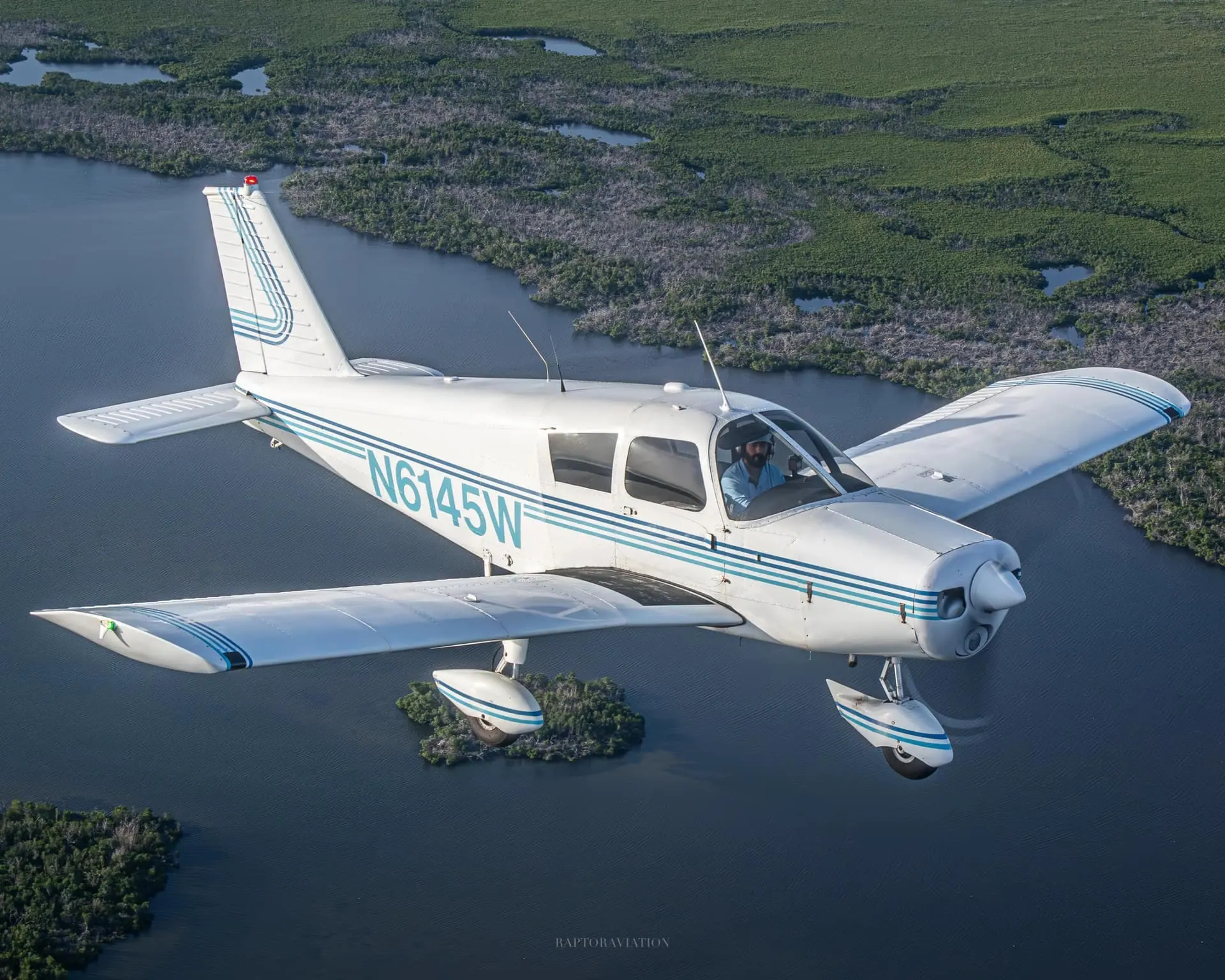
Every CORE lesson flies in N6145W, our Piper Cherokee 140 — the legendary low-wing trainer that launched a million pilot careers. One airplane means one set of habits, one panel layout, and zero re-learning between lessons.

The flight line

Every airplane in the fleet.

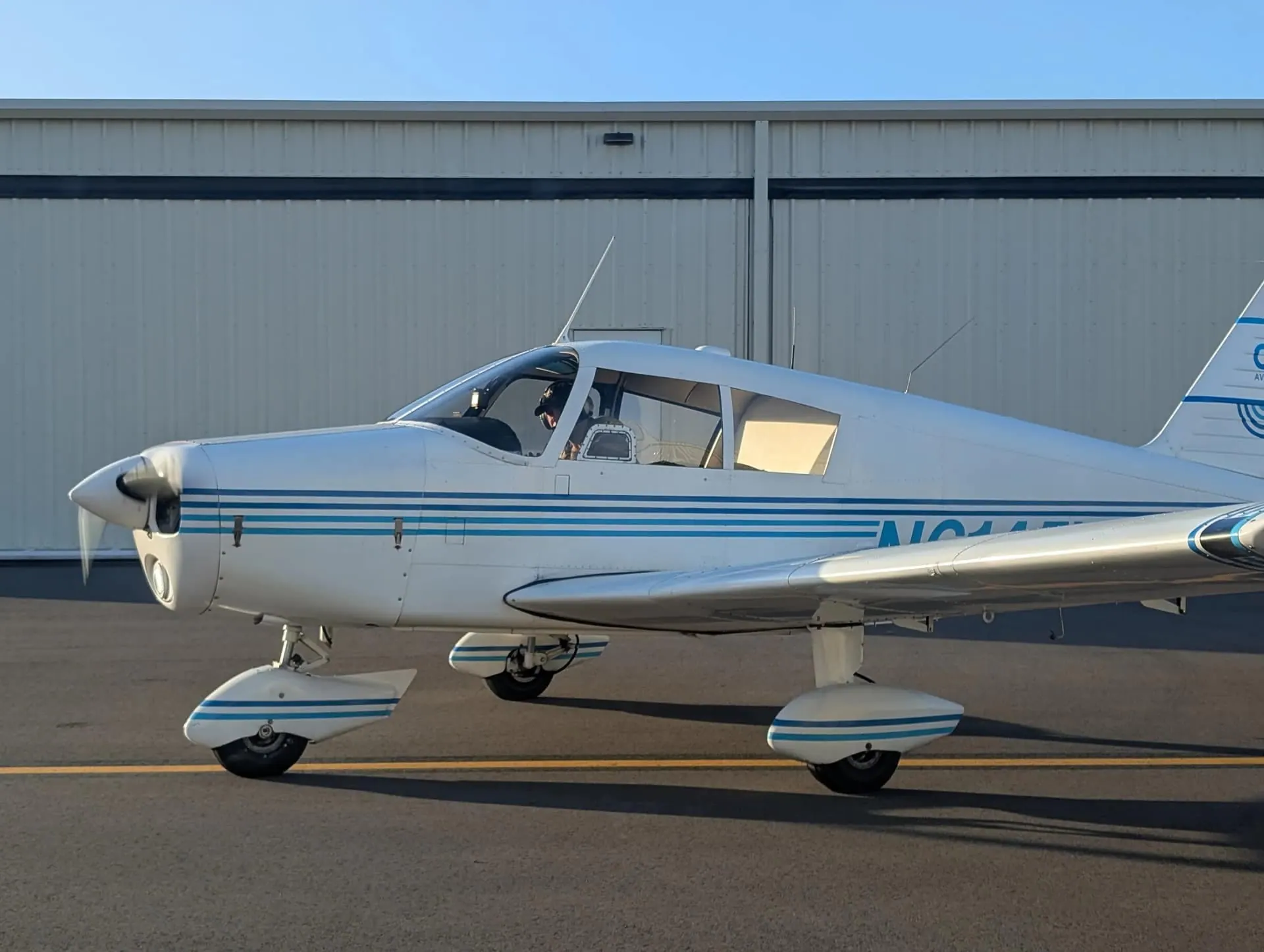
The school’s Piper Cherokee 140 parked on the ramp at Page Field, hangar line behind it
N6145W

The one airplane every CORE student trains in

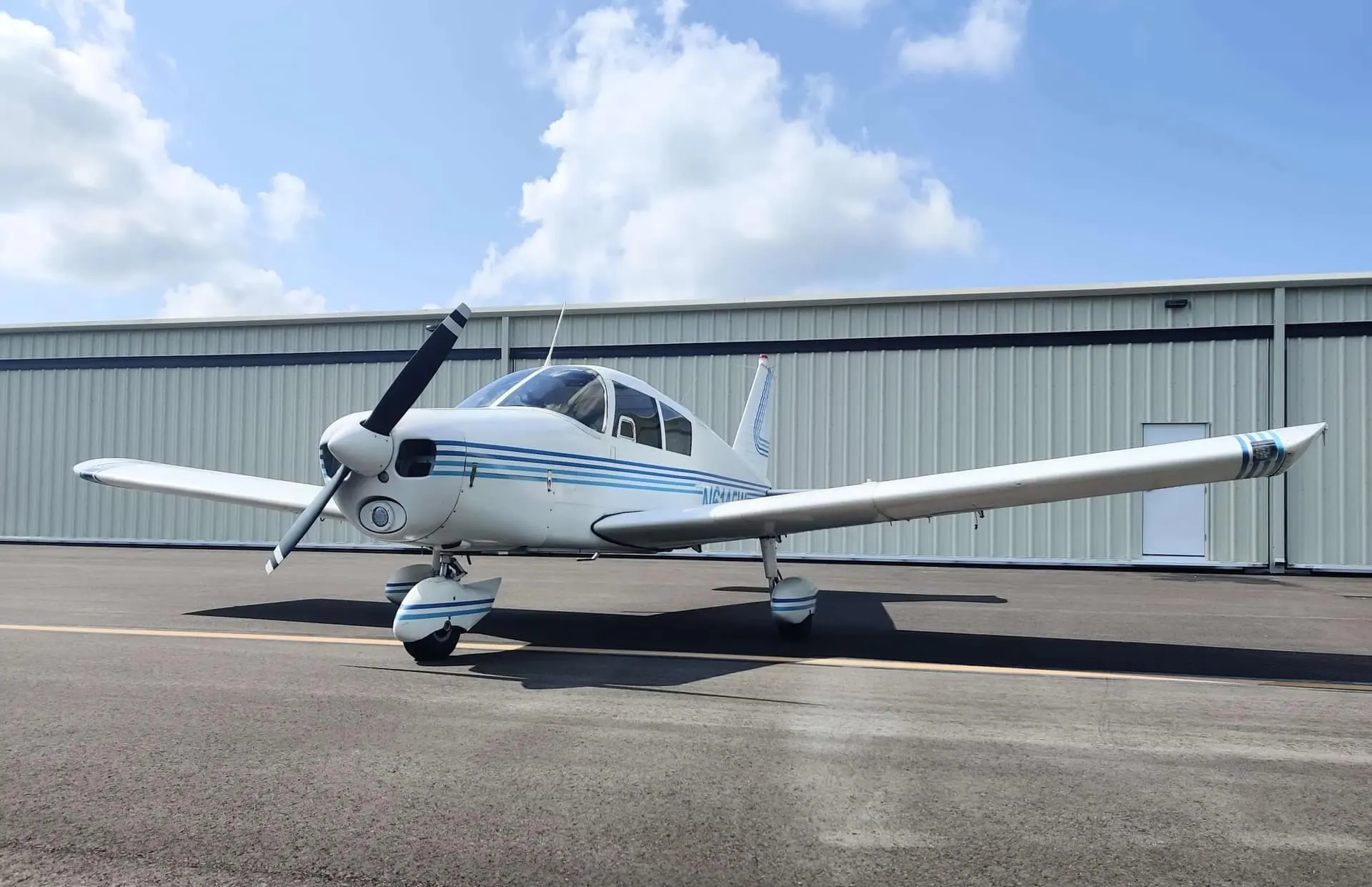
Piper Cherokee 140

A classroom in the sky: stable and responsive, honest enough to show you your mistakes but forgiving enough not to punish you for them. Its 150-HP Lycoming upgrade (from the original 140 HP) delivers reliable performance in the Florida heat while keeping the docile handling that builds confidence from hour one.

Registration
N6145W
Seats
4
The standard

One airplane, kept immaculate

Students notice the upkeep before anything else. One Google reviewer put it best: “His Cherokee is immaculate. I don’t think I’ve ever flown a plane that had a cowling so clean you could eat off it.”

The low-wing advantage is real training value: the wing dips out of your sightline in the turn, the wide gear stance is stable in crosswinds, and fuel checks are a direct visual inspection — no ladder required.

  1. Inspected every flight
  2. Routine maintenance every 2 months
  3. Low-wing visibility in the turn
  4. Wide-stance gear, stable in crosswinds
  5. Kept meticulously clean and maintained

See the training programs these aircraft fly

Questions about the fleet

What aircraft will I actually fly?
N6145W, a Piper Cherokee 140 with a 150-horsepower Lycoming upgrade. It is the only aeroplane in the fleet, which means every hour you log is in the airframe you already know.
Is one aeroplane enough for a flight school?
For a one-instructor school it is the point, not a limitation. Scheduling is against one instructor’s diary, so an aircraft you share with nobody else is exactly the right amount of fleet — and it is why the Cherokee is kept to the standard it is.
Why a Cherokee 140 rather than a newer trainer?
It is stable, forgiving and honest — a low-wing trainer that teaches speed control and energy management properly. It is also cheaper per hour to operate than a glass-panel trainer, and those savings go straight into your total.
How is the aircraft maintained?
To the FAA inspection schedule required for training aircraft, and visibly beyond it: students and visiting pilots regularly remark on the state of the airframe on the ramp at Page Field.

Come see the airplanes

Book a Discovery Flight and take the controls of one yourself — or call 239-722-6751 to talk through your training.

Book a Discovery Flight — $175 Speak to an advisor