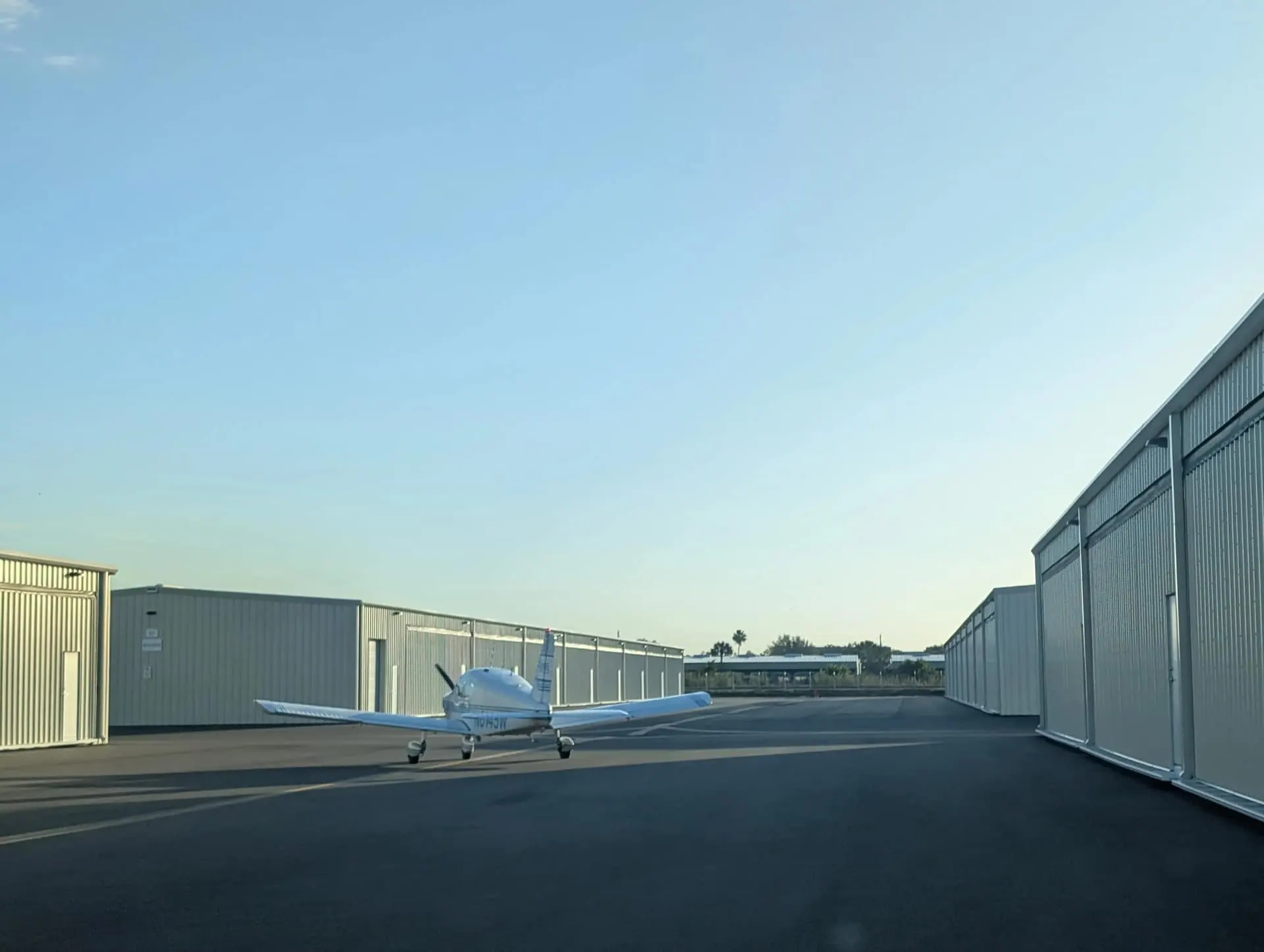
What NWKRAFT means, and why every flight starts with it
NWKRAFT is how pilots remember the preflight information the FAA actually requires: NOTAMs, Weather, Known ATC delays, Runway lengths, Alternates, Fuel, Takeoff and landing distances. Seven letters that turn "I think we are fine" into "I know we are fine."
By Cristian Duran
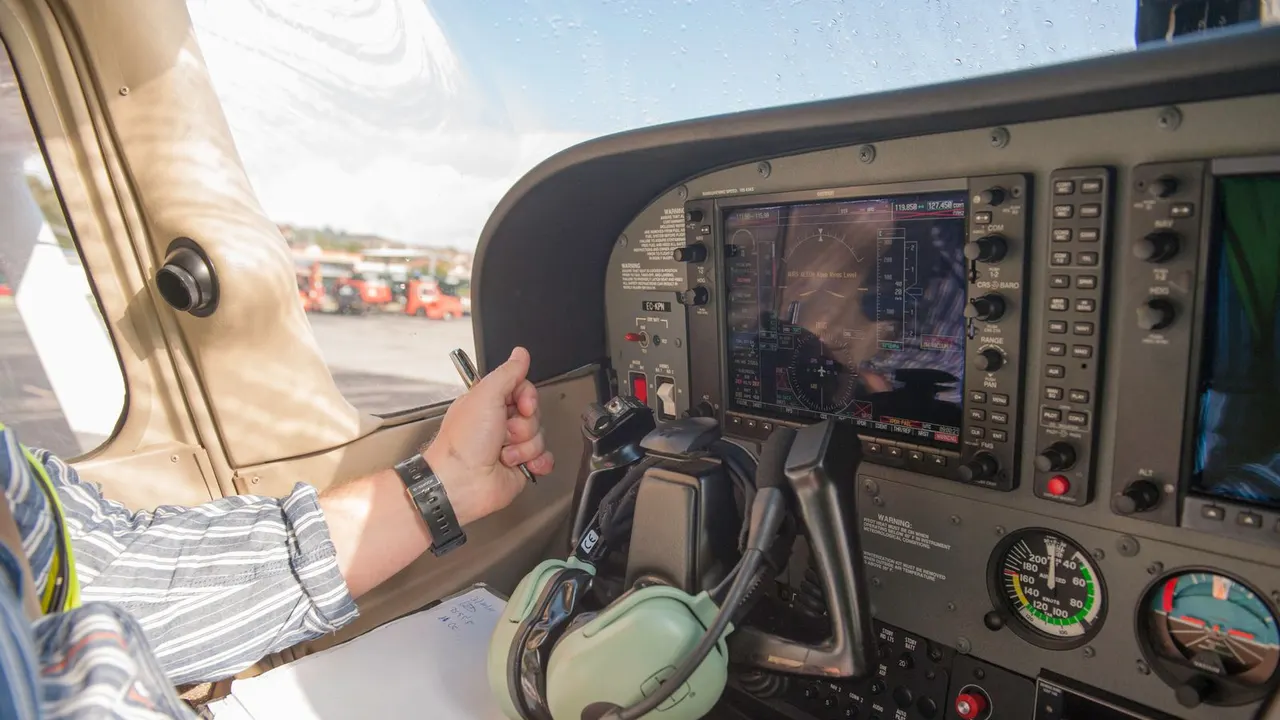
There is a regulation — 14 CFR 91.103 — that says the pilot in command must become familiar with all available information concerning a flight before starting it. That is a wonderfully broad sentence and completely useless as a checklist, which is why pilots invented NWKRAFT to make it usable.
Seven letters. Run them before you leave the house, not while the engine is running.
N — NOTAMs
Notices to Air Missions: the things that changed since the chart was printed. A closed runway, a taxiway under construction, a tower out of service, a temporary flight restriction because the President is playing golf forty miles away.
TFRs in particular are the one that will ruin a Florida student’s afternoon. They appear at short notice, they are enormous, and busting one is a phone call you do not want.
W — Weather
Not “is it sunny.” What you want is departure, en route, and destination, plus the trend. Southwest Florida is a specific kind of teacher here: our weather is not usually bad in the morning and it is very often bad by three o’clock, because the sea breezes off the Gulf and the Atlantic collide over the peninsula and build thunderstorms on an almost daily summer schedule.
So the real weather question for us is rarely “can I go?” It is “when do I have to be back?”
K — Known ATC delays
Anything that will hold you up: a busy field, a flow restriction, a runway closure that is going to funnel everybody onto one strip. Mostly relevant when you are heading somewhere bigger than home, but it is on the list because a delay burns fuel you planned to use for flying.
R — Runway lengths
Runway lengths at the airport you are going to, and at the ones you might end up at instead. It is a number you look up before you go, not a judgment you make on short final over an unfamiliar strip.
A — Alternates
Where do you go if the plan does not work? Not just for weather — for a runway that turns out to be closed, or a field that is suddenly busy, or a passenger who has had enough.
The habit I try to build is that you always have somewhere else in your head. Around here that is easy: Punta Gorda, Naples, Fort Myers International and half a dozen smaller fields are all inside a comfortable radius of Page Field. There is no excuse for arriving anywhere with no plan B.
F — Fuel requirements
Legal minimum for day VFR is enough to reach your first point of intended landing plus 30 minutes at normal cruise. Night is 45.
Treat that the way you treat the eight-hour rule on alcohol: it is the floor, and the floor is not where you want to be standing. An hour of reserve is a sensible personal minimum and it costs you almost nothing.
T — Takeoff and landing distances
The performance numbers, for today’s conditions rather than the brochure’s. Density altitude is the operative word. A Florida afternoon at 92°F and full humidity is not the same airplane as a January morning at 60°F: it accelerates worse, climbs worse, and needs more runway to do both.
The Cherokee’s book has the charts. Running them takes four minutes and it is one of the things a checkride examiner will absolutely ask you to do in front of them.
Why I make students do this out loud
Because the failure mode is never “I did not know the regulation.” It is “I assumed.”
You have flown out of Page Field forty times and it has always been fine, so on the forty-first you do not check, and that is the day the runway you always use is closed for repainting and there is a TFR over the coast. Not a disaster — just a wasted morning, a rushed decision, and a lesson learned the expensive way.
Seven letters, five minutes, every time. It is the cheapest insurance in aviation.
Ground work is $60 an hour here, in the air or across the table — and doing it well is what gets students closest to the FAA’s 40-hour minimum. See the full pricing.