What actually happens on a Discovery Flight
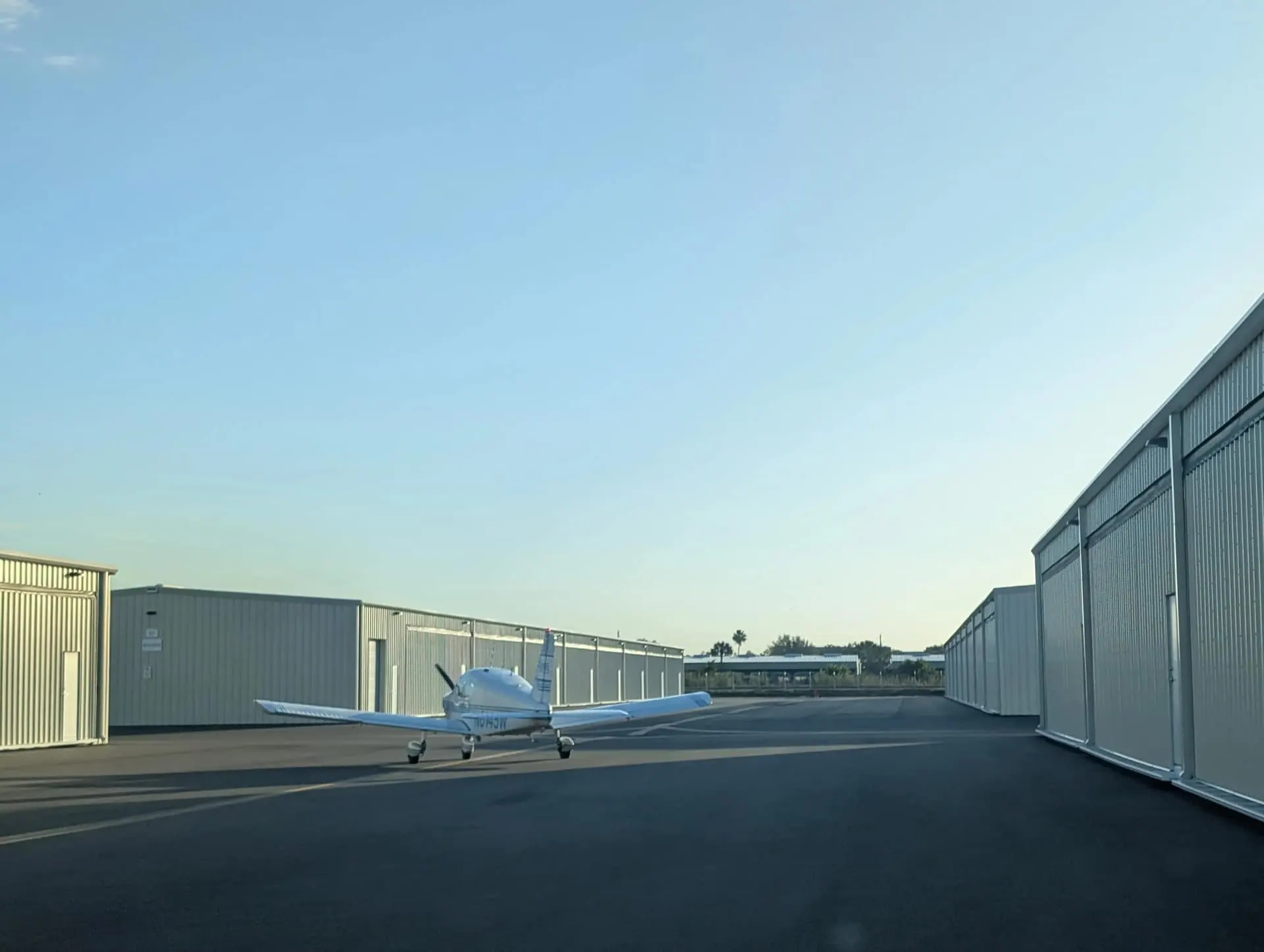
A $175 Discovery Flight at Page Field is a real first lesson, not a sightseeing ride. You do the walk-around, you fly the Cherokee 140 yourself from the left seat, and it goes in a logbook with your name on it.
By Cristian Duran
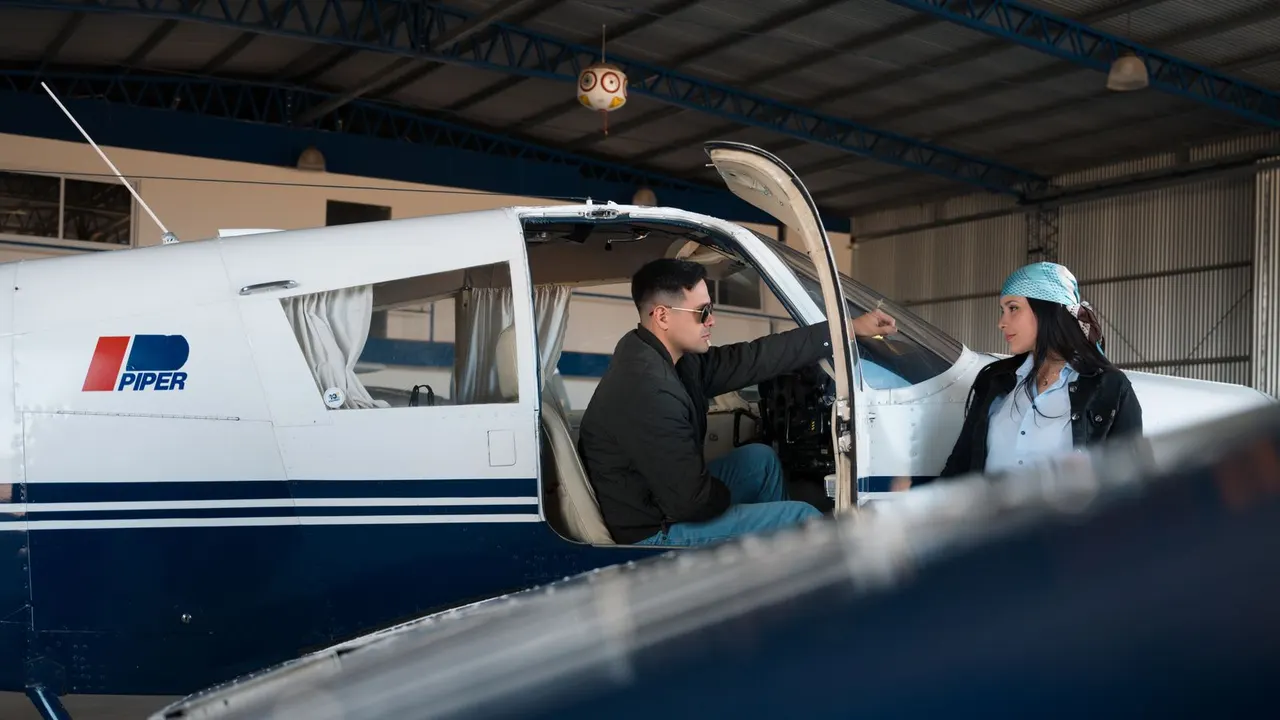
A Discovery Flight at Core Aviator Training is a real first flying lesson. You sit in the pilot’s seat, you handle the controls, and the time is logged as dual instruction toward the 40 hours a Private Pilot License requires. It costs $175 and it takes about an hour in the air, after a proper briefing on the ground.
The thing it is not is a tour. Nobody flies you around and points out landmarks.
Before you fly
You meet me at the General Aviation Terminal at Page Field. Then we sit down — actually sit down — for a briefing: what makes an airplane fly, what each control does, what the airspace around KFMY looks like, and precisely what the next hour holds.
Then we walk out to N6145W and preflight it together. You will look at the fuel through the drain, check the oil, move the control surfaces, and understand why each of those things matters. On a low-wing Cherokee you can do all of it standing on the ground: no ladder, nothing taken on trust.
In the air
I handle the radio and the takeoff. Once we are clear of the field, I give you the airplane.
From there it is yours: turns, climbs, descents, straight and level, out over the barrier islands and the mangrove waterways. Most people are surprised by how light the controls are, and by how quickly holding a heading stops feeling impossible. The Cherokee has dual controls and I am beside you the entire time, so there is no moment where you are on your own — but the flying is genuinely being done by you.
Page Field is a towered airport, so you also hear what real ATC communication sounds like on your very first flight instead of meeting it three months in.
Back on the ramp
We shut down, tie the airplane down, and debrief what just happened — what went well, what felt awkward, what a training plan would look like from here.
Then I sign your logbook. That entry is not a souvenir: it is dual instruction received, and it counts toward the 40 hours.
What to bring, and what it does not commit you to
Photo ID, sunglasses, and shoes you can walk on a ramp in. Everything else — headset, charts, the airplane — is here. Leave time either side of the flight for the brief and the debrief; the hour in the air is the middle of a longer morning, not the whole of it.
And nothing after it is committed. It is one flight, paid once. There is no package to sign and no expectation that you book a second lesson before you have decided you want to.
Who it is for
Complete beginners, mostly. People who have been thinking about this for fifteen years and want to know whether the reality matches the daydream. People who are already sure and want the first hour in the book.
If the weather is not right on the day, we move it, at no cost. Southwest Florida gives us 300 or more flyable days a year, so a scrubbed morning is usually a rebooked afternoon rather than a lost week.
Book a Discovery Flight — $175, about an hour, and it counts in your logbook.