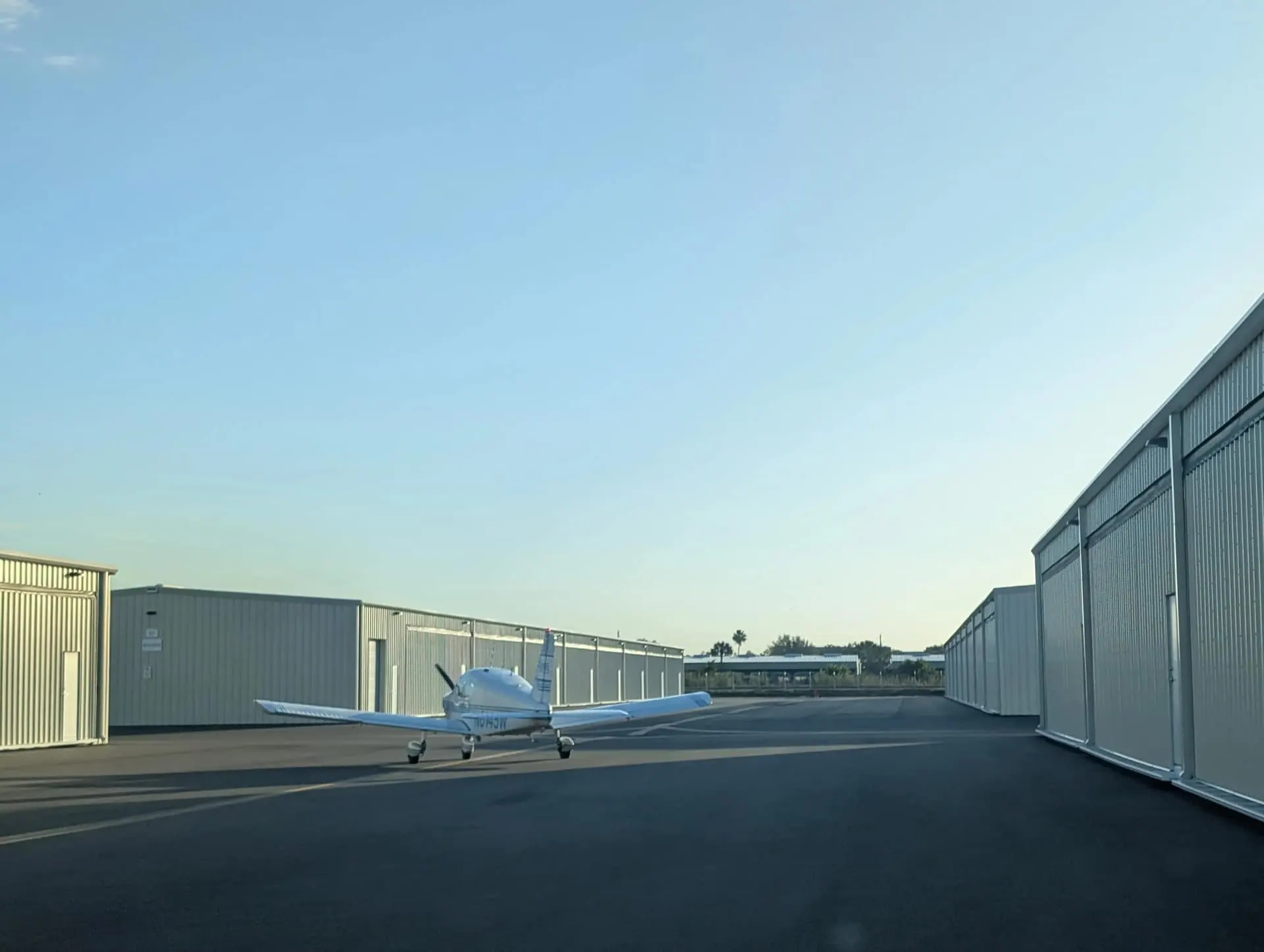
How to talk on the radio without sounding like a student
Every radio call is the same four things in the same order: who you are calling, who you are, where you are, and what you want. Get that shape into your head and the rest is vocabulary.
By Cristian Duran
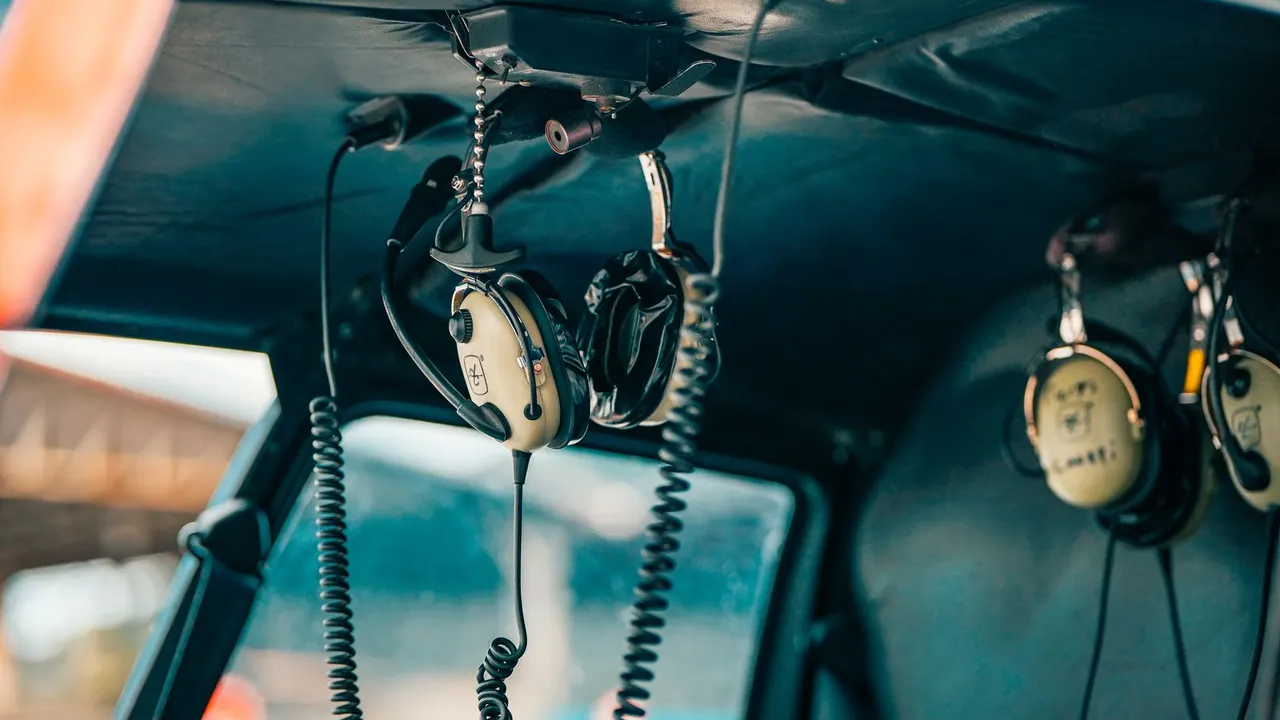
The flying is not what scares people. The talking is.
I have watched students fly a beautiful pattern and then freeze solid with the push-to-talk under their thumb, because somewhere along the line they picked up the idea that there is a secret script and everyone else has a copy of it.
There isn’t one. There is a shape, and it is four things in a fixed order.
The shape
- Who you are calling. “Page Field Tower.”
- Who you are. “Cherokee six one four five whiskey.”
- Where you are. “Holding short runway five.”
- What you want. “Ready for departure, northbound.”
That is it. Every call you will ever make on the ground or in the pattern is that shape with different words in it. When you are lost mid-sentence, go back to the four slots and fill them in.
Say what you want, not everything you know
The most common student mistake is not saying too little. It is saying too much. A controller working six airplanes needs your position and your request, not a narrative.
“Uh, Page Field tower, this is, uh, Cherokee November six one four five whiskey, we’re a Piper Cherokee, we’re currently over by the fuel pumps and we’re going to be departing to the north, we’d like to do some airwork out over the water if that’s okay…”
versus
“Page Field Tower, Cherokee six one four five whiskey, holding short five, ready for departure, northbound.”
The second one is faster to say, easier to hear, and marks you as somebody who knows what they are doing. Controllers are not grading your grammar. They are building a picture, and short calls build it faster.
Listen before you key
Before you transmit, listen for two or three seconds. Two reasons.
The first is obvious: you will not step on somebody else’s transmission. When two airplanes key at once, the controller gets a squeal and nobody’s call gets through, so both of you say it twice and the frequency is now busier than before.
The second is the useful one. Listening builds the picture. If you hear the tower tell someone to enter a left downwind for five, you now know the runway in use and roughly where the traffic is, before you had to ask.
Aviate, navigate, communicate — in that order
If you are ever in a position where you cannot do all three, the order tells you what to drop. Fly the airplane first. Know where you are second. Talk third.
Nobody has ever crashed from a late radio call. Plenty of people have crashed from flying the microphone.
Read back what matters
You do not have to read back everything, but you must read back anything that holds you or moves you: hold short instructions, runway assignments, altitude assignments, headings, and squawk codes. Read them back with your callsign on the end so the controller knows who complied.
The hold short read-back in particular is not optional. It is the one the FAA built specifically to prevent runway incursions, and it is the one where “roger” is a wrong answer.
If you get it wrong
You will get it wrong. Everyone does. Here is the whole recovery procedure:
“Page Field Tower, Cherokee four five whiskey, say again?”
That’s it. Nobody thinks less of you, and asking is infinitely better than guessing and then doing something the controller did not expect. The pilots who worry me are not the ones who ask twice; they are the ones who say “roger” to something they did not understand.
Why we train at a towered field
Page Field (KFMY) is towered. That means from your very first lesson you are talking to real controllers doing real work, instead of announcing into an empty frequency at a quiet strip and discovering ATC three months later with an airplane to fly at the same time.
Students find it intimidating for about three lessons. Then it is background, and the fear that other pilots carry into their first towered arrival is a fear you simply never develop.
Want to hear what it actually sounds like from the left seat? That happens on your Discovery Flight — I handle the radio on the first one, and you listen.