What are the alternatives to a large flight academy?
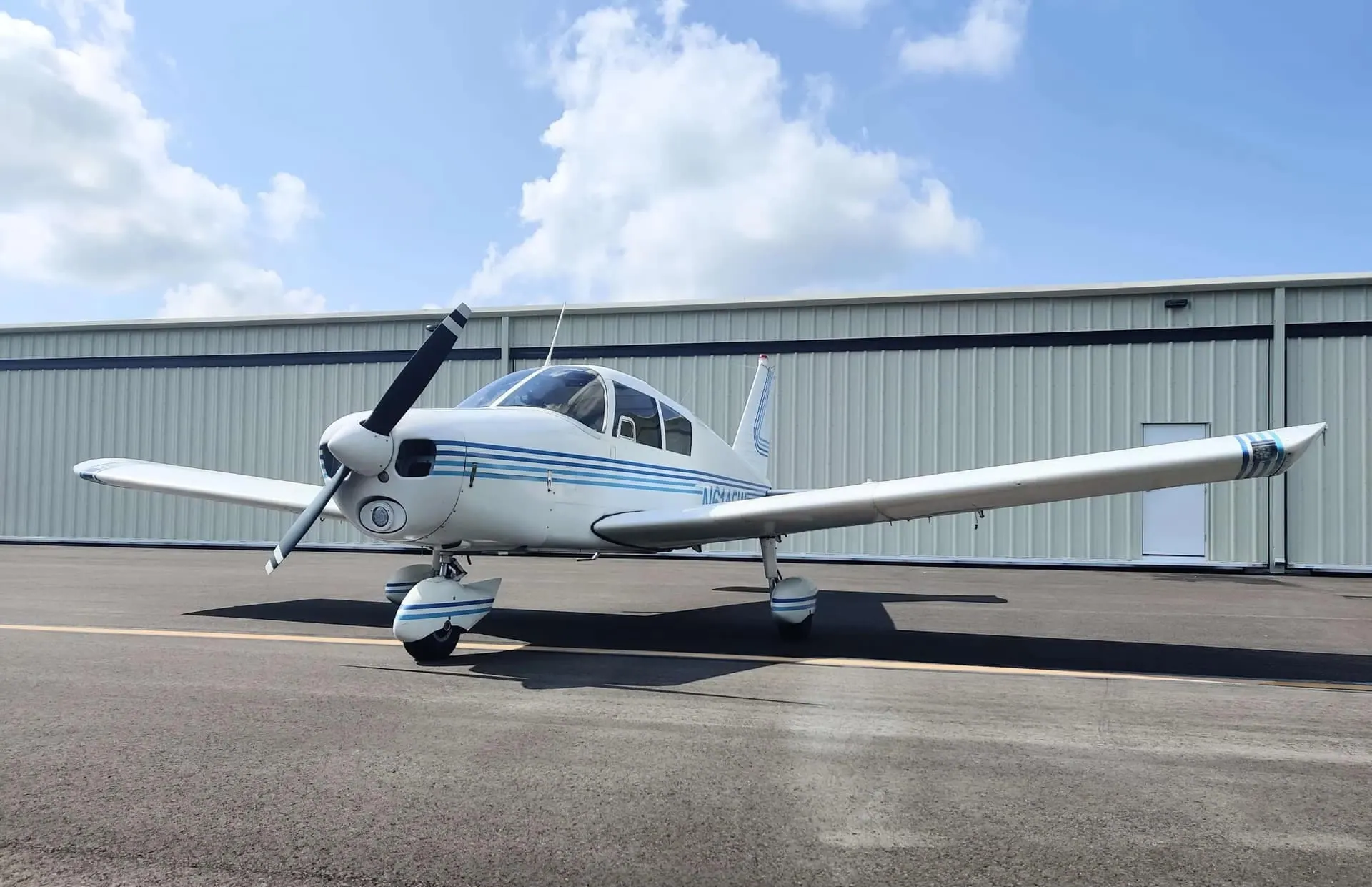
The main alternative to a large flight academy is a small Part 61 school, where you train one-on-one with the same instructor and pay per lesson instead of enrolling in a program. In Fort Myers, Core Aviator Training is that model: one Certified Flight Instructor, one Piper Cherokee 140 at Page Field (KFMY), $190 per hour wet plus $60 per hour for instruction, and no package or financing. A large academy is still the better fit if you want a full-time structured track, need a student visa, or are using a benefit that requires Part 141.
Last updated
- Regulation
- FAA Part 61
- Instructor
- One CFI, start to finish
- Airplane
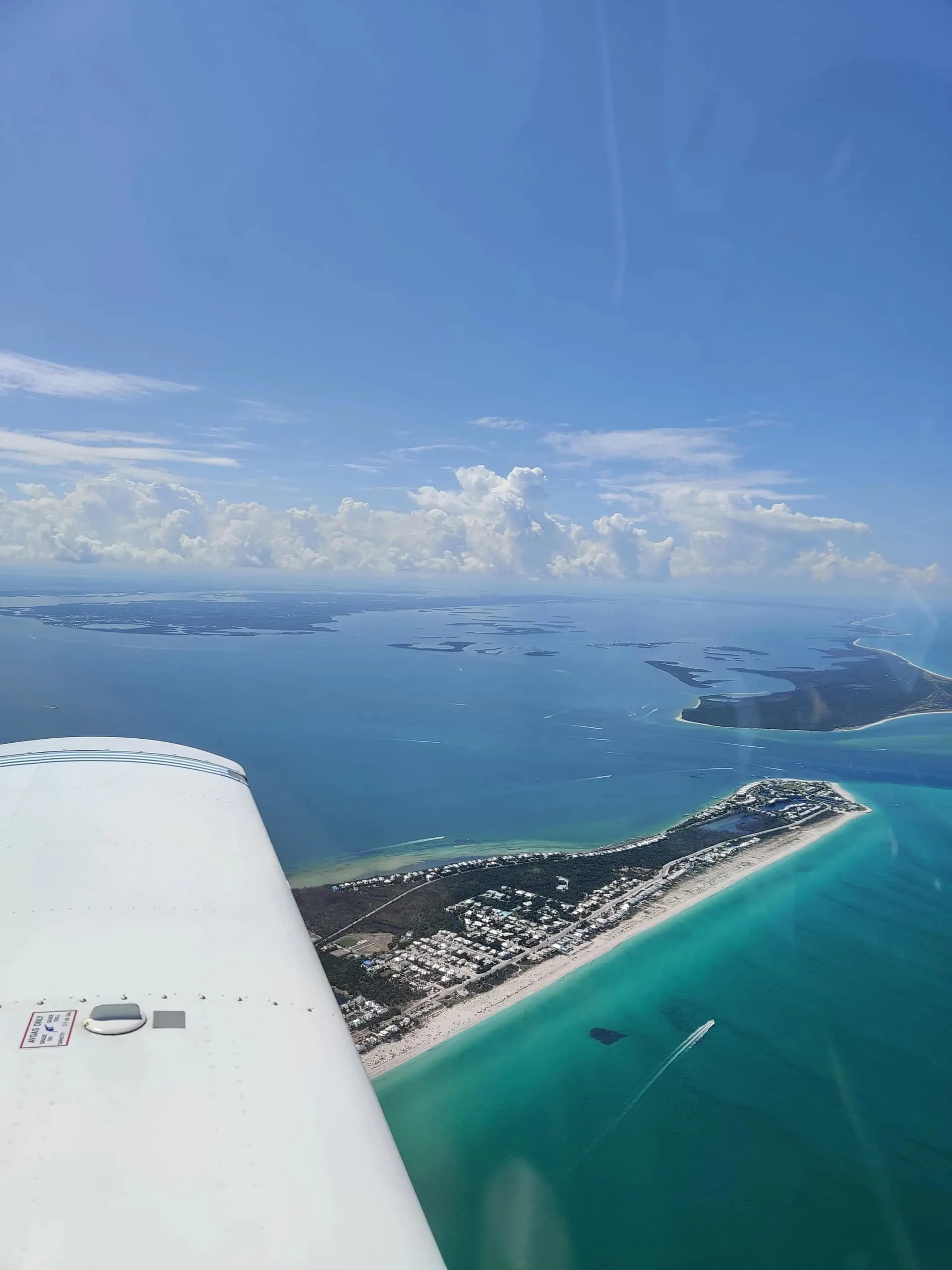
- N6145W · Cherokee 140
- Payment
- Per session
- Rates
- $190/hr wet · $60/hr
- Programs
- PPL · IR · CPL · CFI
A boutique Part 61 school and a large academy.
Neither is better in every case. They are built for different students.
| Boutique Part 61 (CORE) | Large academy (typical) | |
|---|---|---|
| Regulation | Part 61: the instructor tailors every lesson | Often Part 141: an FAA-approved syllabus with fixed stage checks |
| Instructors | One Certified Flight Instructor, the same one every lesson | Many instructors; who flies with you can change |
| Aircraft | One Piper Cherokee 140 (N6145W) | A large fleet |
| How you pay | Per session: $190/hr wet + $60/hr instruction; no package, no deposit, no financing | Often a fixed-price program, frequently with financing |
| Schedule | Three-hour blocks booked with your instructor, at your pace | A structured track, often full-time |
| Student visas and Part 141 benefits | Not the route | Usually the route |
| Multi-engine training | Not offered | Ask the academy |
| Best fit | Working adults, career-changers, seasonal residents, anyone who wants one instructor | Full-time career-track students, visa students, Part 141 benefit users |
Both lead to the same FAA certificate and the same checkride. The difference is how you get there. More on the two rule sets on Part 61 flight school in Southwest Florida.
Cost structure
A program price vs a published hourly rate.
Large academies commonly quote a career program as one price, and many arrange financing for it. Here there is no program price: the airplane is $190 per hour wet and instruction is $60 per hour, billed after each session. At those rates a Private Pilot License runs roughly $12,000–$20,000 all-in, and zero to a Commercial Pilot License with an Instrument Rating roughly $58,000–$65,500, paid as you go rather than borrowed up front.
To compare fairly, ask any school five things: is the airplane rate wet or dry, how many hours the quote is built on, whether ground instruction is included, what is prepaid and what happens to it if you stop, and what is not in the price. The worked method is on what a private pilot license costs.
Instructor continuity
Who will fly with you in month three?
Instructor turnover is one of the most common reasons students stall. At busy schools, instructors often move on once they have built enough hours for an airline job, and every new instructor spends hours learning your flying.
At CORE there is one instructor from the Discovery Flight to the checkride, so nobody re-teaches you a lesson you have already flown. More on training with the same instructor every lesson.
Who each fits
Pick the model that fits your life.
- A boutique Part 61 school fits working adults and career-changers who train around a job, students switching from a school that was not working, seasonal residents adding an instrument rating, and anyone who wants one instructor and a published rate.
- A large academy fits students who want a full-time structured track, need a student visa, are using a benefit that requires Part 141, or need training a one-airplane school does not offer, such as multi-engine.
If a larger academy is the right call for you, we will say so. Twelve questions that help you decide are in pilot schools compared.
Small school or large academy: questions
Something else? Call 239-722-6751.
Is a small flight school as good as a big academy?
Both train to the same FAA standards and end at the same checkride with an FAA examiner. What differs is the structure: a large academy runs a program across many instructors and aircraft, and a small Part 61 school builds the training around you with one instructor.
Can I become an airline pilot through a small Part 61 school?
Yes. The path runs Private Pilot, Instrument Rating, Commercial Pilot, then Flight Instructor, and most pilots build the hours airlines require by instructing. All four are trained here, one-on-one, in the same Cherokee 140.
Is a small school cheaper than an academy?
Compare totals on the same hours, not advertised prices. At our published rates a Private Pilot License runs roughly $12,000–$20,000 all-in, and zero to a Commercial Pilot License with an Instrument Rating roughly $58,000–$65,500, paid as you go. Ask any academy what its quote includes and how many hours it is built on.
When is a large academy the better choice?
When you need a Part 141 syllabus for a student visa or a specific benefit, want a full-time structured career track, or need training this school does not offer, such as a multi-engine rating.
What does a one-instructor school not offer?
A big fleet and a big staff. There is one airplane and one instructor, so scheduling runs against one calendar and popular slots go early. There is no multi-engine training and no Part 141 syllabus.
How can I try a small school before deciding?
Book a $175 Discovery Flight. It is a real first lesson with the instructor you would train with, in the airplane you would train in, and it counts toward your private certificate.
Try the small-school way for one flight.
Call and I'll talk you through where to start. I answer my own phone, and five minutes is usually enough to know.
Serving Cape Coral · Naples · Estero · Punta Gorda · Bonita Springs · Fort Myers Beach · Lehigh Acres · Immokalee